



Installation of TS32 Emergency Battery Power Supply

Overview
Introduction
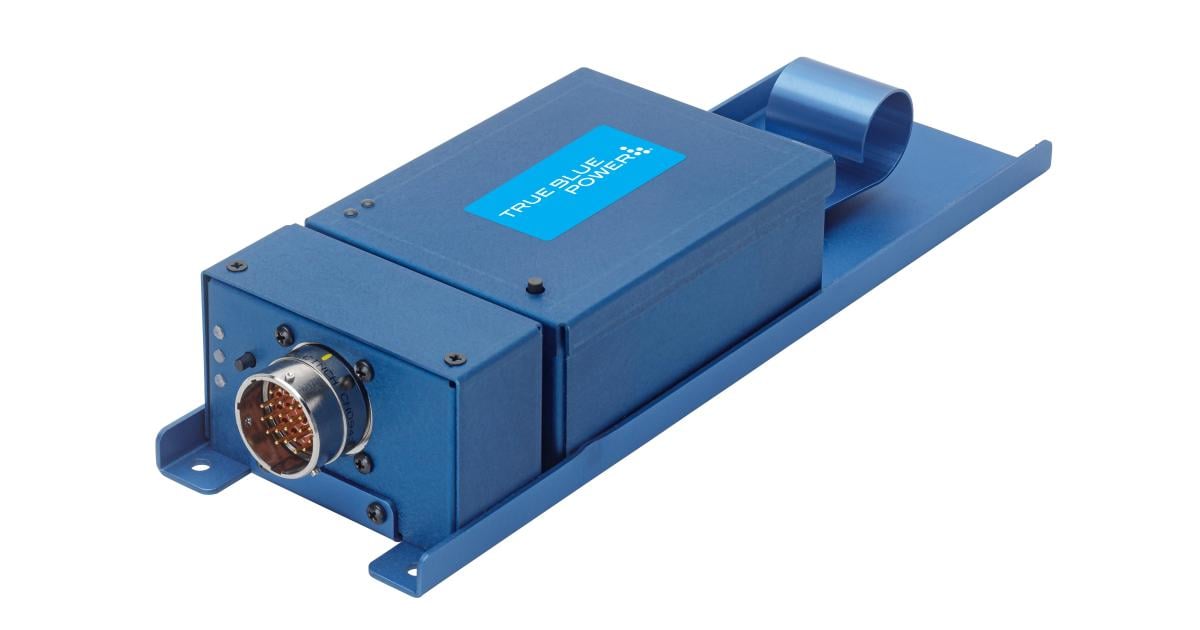
This is an AML STC project for the installation of True Blue Power TS32 series Emergency Battery Power Supply (EBPS) in various aircraft. The TS32 EBPS PN 6430032-() is introduced as a direct replacement of existing power supply assemblies PN RPS1-B, PN D717-02-001 or PN BPS7-3 depending on the aircraft type. The TS32 is designed to supply DC power for aircraft loads such as lighting and other critical equipment in the event of primary power loss. The TS32 is a sophisticated power system that utilizes state-of-the-art NiMH cell technology which provides improvements in performance, safety, and life. The TS32 series is fully compliant with the latest DO-293A MOPS for Nickel-Cadmium, Nickel Metal-Hydride and Lead-Acid Batteries and has been tested to environmental and performance qualification that meets the DO-160G standard.
Your needs
The TS32 EBPS is a direct replacement of existing power supply assemblies PN RPS1-B, PN D717-02-001 or PN BPS7-3 depending on the aircraft type.
Your benefits
The TS32 EBPS significantly reduces maintenance, minimizes downtime, and improves aircraft operational readiness. Increases dispatch reliability and reduces AOG.
Product Description
The True Blue Power TS32 series Emergency Battery Power Supply is designed to supply DC power for aircraft loads such as lighting and other critical equipment in the event of primary power loss. During normal aircraft operation, the TS32 Emergency Battery Power Supply (EBPS) will utilize aircraft power to recharge or maintain an existing charge at full capacity. The TS32 is a sophisticated power system that utilizes state-of-the-art NiMH cell technology which provides improvements in performance, safety, and life when compared to traditional or competing backup systems. With emphasis on a robust design, the EBPS meets applicable regulatory standards and has been tested to environmental and performance qualifications that exceed industry requirements. The TS32 is a complete EBPS that provides significant value and benefit to an aircraft designer, owner and operator.
Your benefits
The TS32 EBPS significantly reduces maintenance, minimizes downtime, and improves aircraft operational readiness. Increases dispatch reliability and reduces AOG.